By Tawnya Silloway | 2026-03-03
Order by: Trending (past 30 days)Date
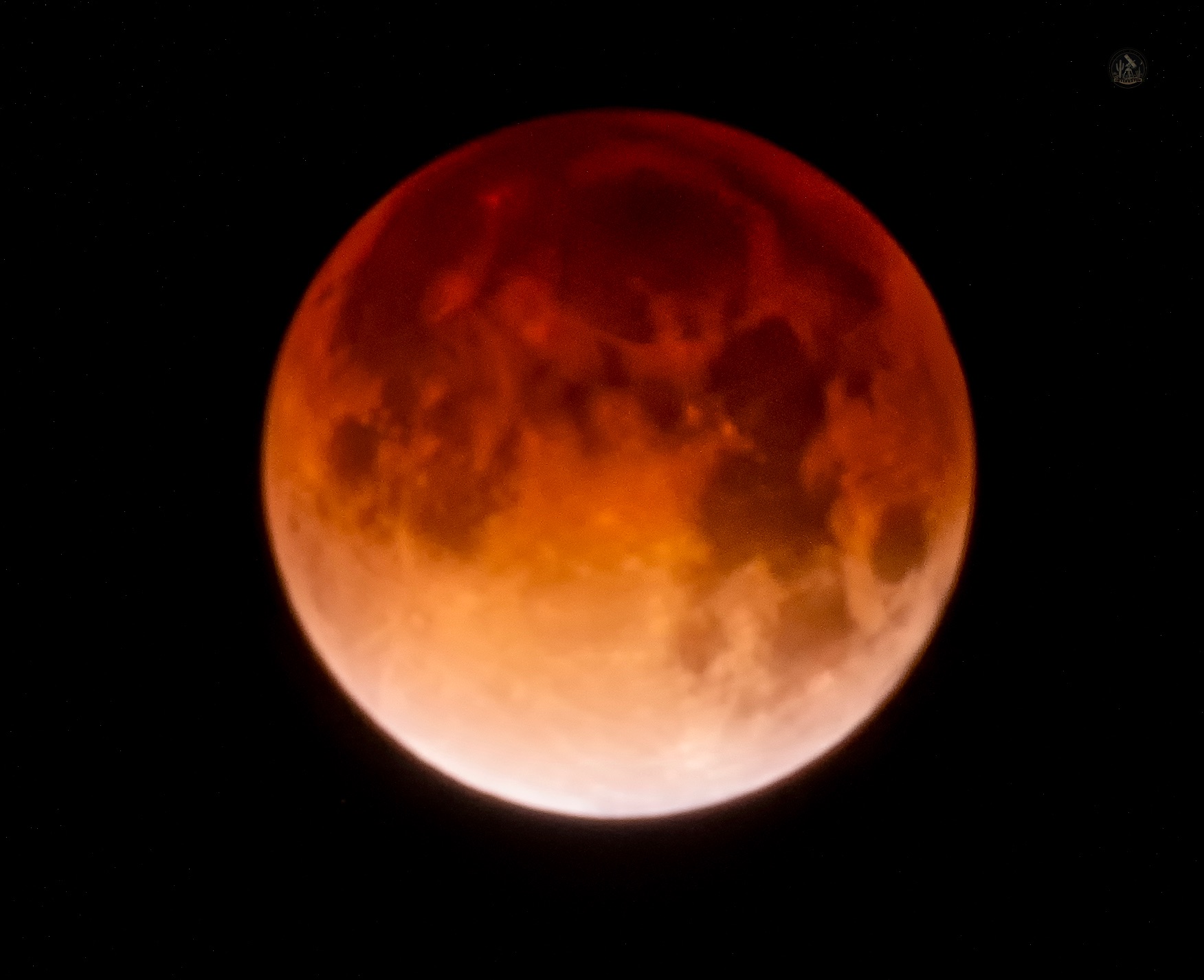
Crimson Covenant Above Montezuma Pass
On 03/03/2026 04:08 am by Jelieta Walinski Ph.D | Website | Montezuma Pass, AZ, USA
High above the desert valleys of southern Arizona, at 6,500 feet atop Montezuma Pass within Coronado National Memorial, the Moon entered Earth’s ancient shadow and emerged transformed — a living ember suspended in the night.
A Blood Moon occurs during a total lunar eclipse, when the Sun, Earth, and Moon align in near-perfect geometry. As Earth moves between the Sun and the Moon, our planet casts a long umbral shadow into space. Yet the Moon does not vanish. Instead, it glows red. The reason is both simple and profound: Earth’s atmosphere bends sunlight inward, filtering out shorter blue wavelengths through Rayleigh scattering — the same process that paints our sunsets crimson. What reaches the Moon is the refracted light of every sunrise and sunset happening simultaneously around Earth’s limb.
From Montezuma Pass — where history whispers of exploration and the meeting of cultures — the eclipse felt like a celestial remembrance. This landscape once witnessed the journeys associated with Francisco Vázquez de Coronado, who traversed these borderlands in search of mythic cities of gold. Tonight, no gold was needed. The sky itself offered a deeper treasure: the quiet demonstration of orbital mechanics, a reminder that we live within a clockwork system governed by gravity and light.
From this elevation, where both eastern and western horizons stretch endlessly, the Blood Moon hung in stillness — not an omen, but an elegant consequence of alignment, atmosphere, and motion. Science reveals its mechanism; poetry reveals its meaning.
And in that red glow, Earth briefly saw its own breath reflected back from the Moon.
Canon EOS 1-DX, BEGH2C Carbon Fiber Head, GIT203 Grand Series2 Stealth Carbon Fiber Tripod, Canon EF 800mm f/5.6L IS USM Lens, Canon Timer Remote Controller TC-80N3, Lenshide
In Photoshop