By Victor Rogus | 2026-02-01
Order by: Trending (past 30 days)Date
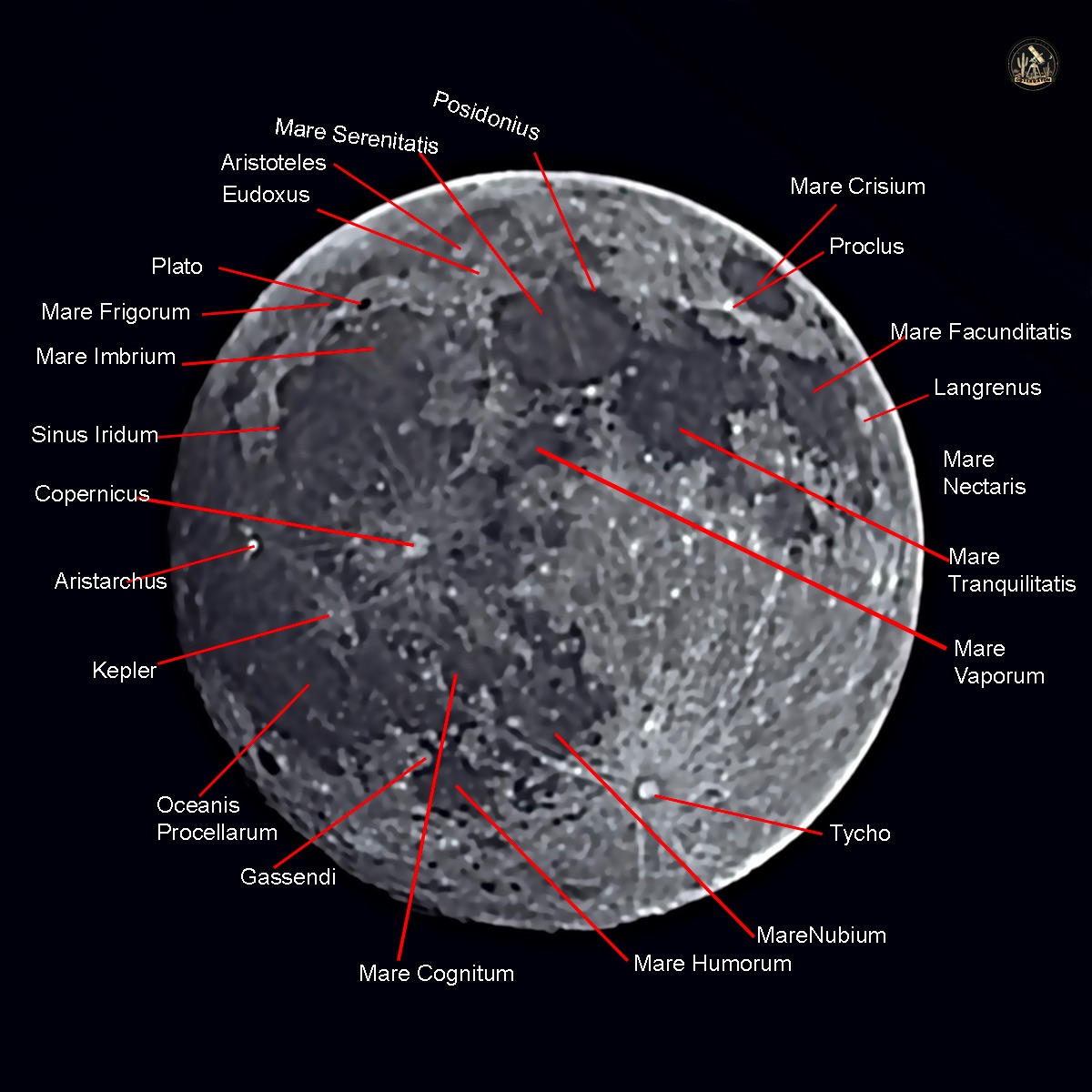
Reading the Moon’s Ancient Scars
On 02/01/2026 05:05 am by Jelieta Walinski Ph.D | Website | Desert Bloom Observatory, AZ, USA
The Full Moon is not just a glowing face in our night sky—it is a living archive of time.
Each labeled crater is a scar left by cosmic impacts billions of years ago, preserved because the Moon has no weather, no rivers, no wind to erase its memory. Learning the names and positions of these craters teaches us how planetary surfaces evolve, how violence and beauty coexist in the universe, and how our own Earth was shaped by similar forces long erased by geology.
This is planetary geology in its purest form—a lesson written in stone and shadow.
By knowing the Moon’s craters, we learn to read history, navigate the lunar surface, and deepen our connection to the celestial neighbor that stabilizes Earth’s tilt, influences our tides, and lights our nights. The Moon is not silent—it speaks through its craters, if we choose to listen.
Seestar s50
I stacked the Raw video in PIPP and brought it to AstroSurface, then photoshop